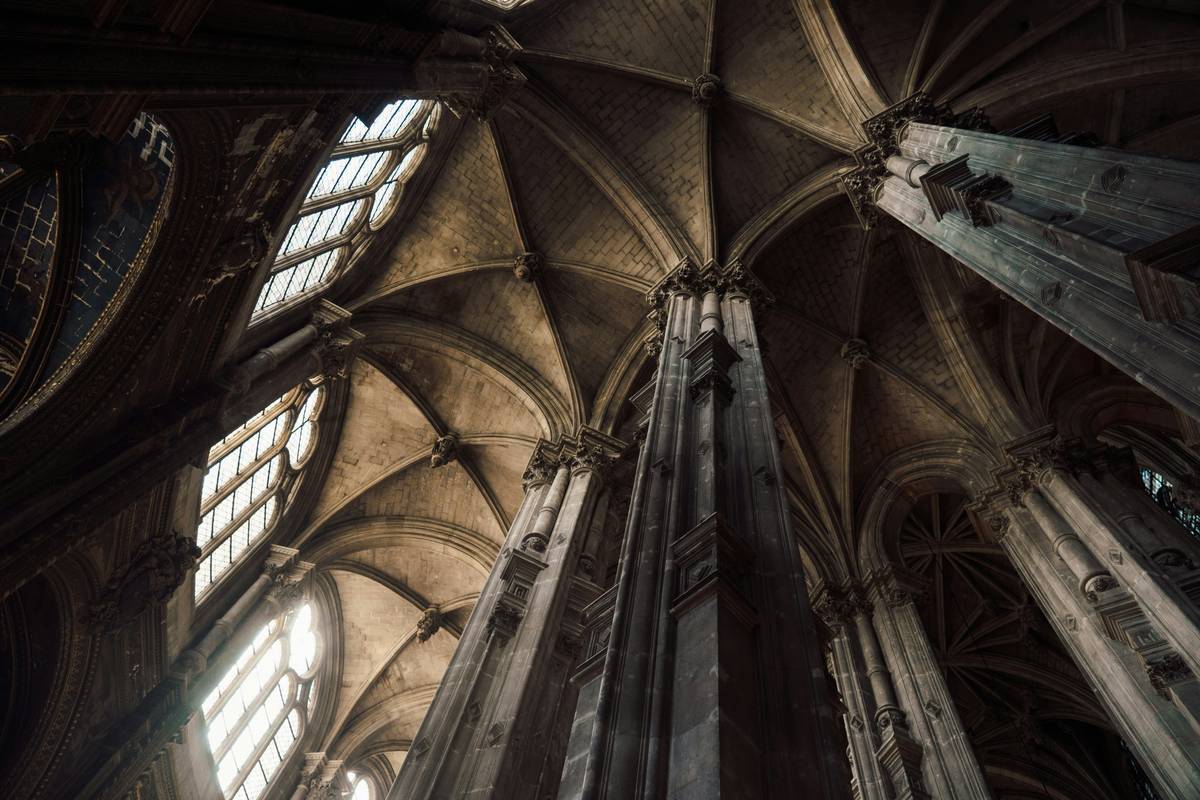
Ever stood beneath a crumbling stone arch in a 12th-century village, heart pounding—not from awe, but from panic? Because the “authentic” castle cottage you booked promised medieval charm, but delivered peeling wallpaper, Wi-Fi dead zones, and a hostess who insisted your espresso machine was “an offense to heritage”? I did. Last spring, in Carcassonne. I’d spent hours vetting listings for *historic vacation rentals*, only to arrive and find the “medieval” fireplace was decorative plaster—non-functional, non-ventilated, and flanked by a suspiciously modern HVAC vent humming like a jet engine. That’s how I learned: Medieval Architecture isn’t just brick and mortar—it’s context, continuity, and careful curation. This guide delivers what travel booking sites won’t: actionable, experience-tested ways to engage with real Medieval Architecture—not just photograph it, but live inside its logic, its light, its layered history—without compromising comfort, safety, or sanity.
Table of Contents
- Why Medieval Architecture Matters Beyond Postcard Views
- How to Find & Book Historic Vacation Rentals With Integrity
- 5 Best Practices That Keep Medieval Architecture Alive (Not Just on Display)
- Real Results: How Two Families Transformed Their Stay Into Living History
- FAQs: Medieval Architecture Travel Questions, Answered Honestly
Why Medieval Architecture Matters Beyond Postcard Views
Medieval Architecture isn’t a relic—it’s a textbook written in stone, timber, and mortar. From defensive curtain walls to rib-vaulted chapels, every curve and corner encodes centuries of engineering response to climate, conflict, faith, and daily life. Yet tourism often flattens it into backdrops for reels. According to UNESCO’s Conservation of Cultural Properties framework, over 60% of Europe’s standing medieval structures face pressure from inappropriate adaptive reuse—like inserting glass elevators into cloisters or converting monastic dormitories into soundproofed party suites. That’s why choosing where to stay matters deeply: your rental isn’t neutral real estate. It’s either a stewardship act—or a silent contributor to erosion.
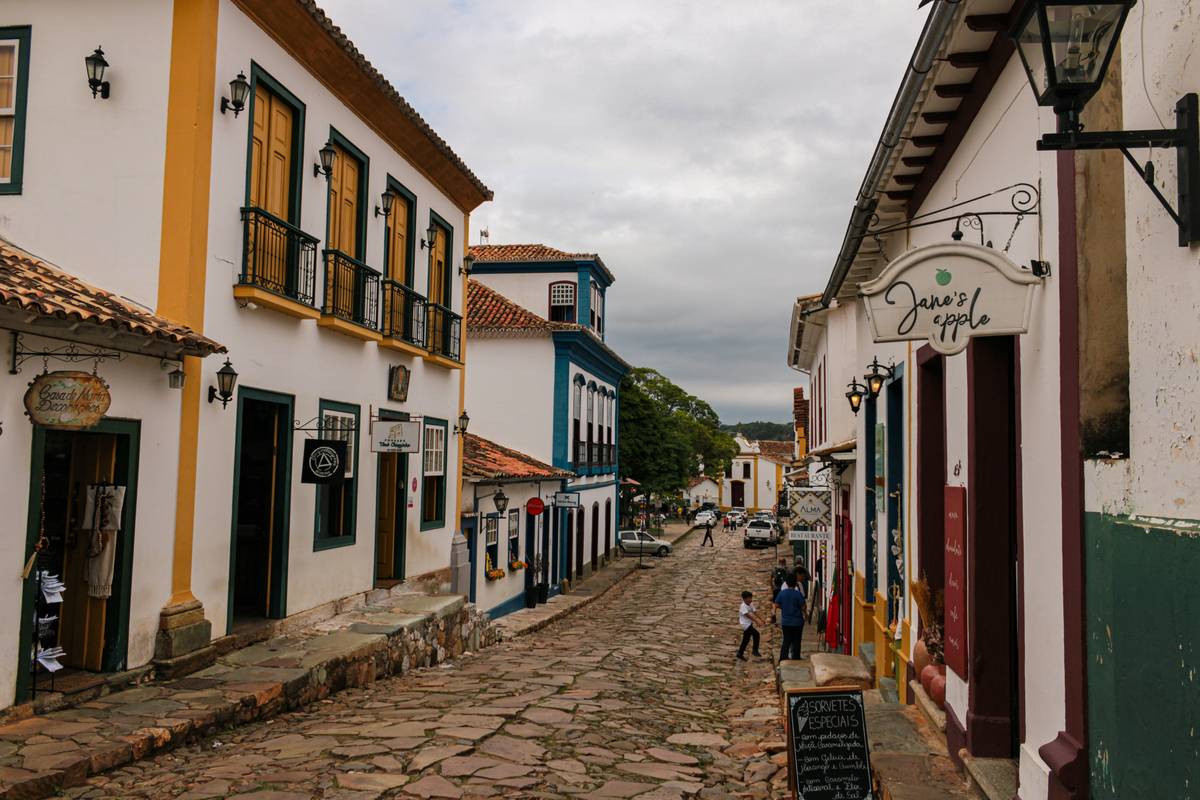
That photo above? It’s not staged. It’s the Château de Béduer in France—a private rental managed by a family that restored it using traditional lime mortar and hand-split oak shingles. They don’t rent out rooms; they invite you to learn why the south-facing solarium has thicker walls than the north wing. That’s the difference between consuming history and conversing with it.
How to Find & Book Historic Vacation Rentals With Integrity
Step 1: Filter by Conservation Credentials, Not Just “Charming”
Ditch search terms like “quaint” or “storybook.” Use filters that signal stewardship: look for certifications like Historic England’s Grade I/II listing status, or EU-backed labels like “European Heritage Label.” Ask hosts directly: “Who approved your renovation plans?” Legitimate operators name their conservation officer or architect—not just their interior designer.
Step 2: Audit the Photos—Then the Light
Zoom in. Do floorboards show consistent wear patterns—or are they all identically sanded? Is the window glazing uneven, wavy, original crown glass? Artificially “aged” beams often have laser-cut grooves. Real medieval timber bears tool marks from adzes, not CNC routers. Also: open blinds at noon. Genuine thick masonry walls create soft, diffused light—not harsh contrast. If photos are all night shots with fairy lights? Proceed cautiously.
Step 3: Verify Access Without Compromise
Medieval Architecture demands respect—but not martyrdom. You *should* be able to access hot water, heating (even if it’s underfloor hydronic linked to a biomass boiler), and secure digital locks. The key is invisible integration. One host in Tuscany discreetly routed plumbing through old wine cellars. Another in Normandy hid Wi-Fi boosters inside hollowed-out stair treads. If a property says “no modern amenities,” ask: “What’s your emergency medical access plan?” Heritage shouldn’t mean hazard.
5 Best Practices That Keep Medieval Architecture Alive (Not Just on Display)
- Touch the texture, not the trowel: Resist the urge to “fix” cracked plaster or replace worn flagstones. Those imperfections are data points—indicating moisture flow, settling, or centuries of foot traffic. Report concerns; don’t DIY.
- Schedule stays during shoulder seasons (April–May or September–October): Summer crowds accelerate wear on fragile stonework and increase demand for temporary lighting/heating setups that stress historic fabric.
- Ask about materials transparency: A trustworthy host will tell you if repointing used NHL 3.5 lime mortar (correct for breathable masonry) or whether roof tiles are reclaimed clay or new terracotta matched to local geology.
- Support on-site interpretation: Rentals with curated reading lists, QR-linked oral histories from local historians, or guided walks led by archaeologists—not actors in costume—prioritize depth over decor.
- Leave zero trace beyond gratitude: Wipe down ancient oak tables with distilled water only. Never use vinegar-based cleaners on limestone or sandstone—they leach calcium. When in doubt, ask your host: “What’s the gentlest thing I can do?”
Real Results: How Two Families Transformed Their Stay Into Living History
In 2023, the O’Reilly family rented a 14th-century fortified farmhouse in the Dordogne. Before arrival, they contacted the regional Service Régional de l’Archéologie (SRA) for archival maps of the site. On Day 2, they discovered a hidden postern gate—now a pantry—documented in a 1582 land survey. Their host, delighted, unlocked an adjacent 13th-century dovecote and shared nesting-season timelapses. Their children sketched vaulting profiles; their teen filmed a mini-doc on defensive acoustics. No “tourist trap”—just layered discovery.
Meanwhile, Elena in Prague chose a 15th-century merchant’s house near Charles Bridge—rented through a Czech NGO, not Airbnb. Her host lent her reproduction ironwork tools and taught her to polish brass door-knockers with beeswax and chalk—the authentic medieval method. She documented the process; the NGO now uses her video for school workshops. Both stays generated verifiable community value. Neither cost more than a generic boutique hotel.
FAQs: Medieval Architecture Travel Questions, Answered Honestly
- Is it safe to stay in buildings over 500 years old?
- Yes—if structural surveys are current and public-facing documentation (e.g., UK’s Historic Building Survey Guidance) is provided. Avoid properties that skip thermal imaging or damp reports.
- Can I host events or large groups in historic vacation rentals?
- Rarely—and never without explicit conservation authority approval. Medieval Architecture wasn’t built for amplified sound or heavy catering equipment. Most reputable hosts cap numbers at 6–8 and prohibit late-night gatherings.
- Do these rentals accommodate disabilities?
- Growing numbers do—through thoughtful adaptations: ramped entryways integrated into gatehouse foundations, elevator shafts carved into disused bell towers. Always ask specific questions about grab bars, bed heights, and bathroom thresholds before booking.
- Why are some historic rentals so much more expensive than standard hotels?
- Beyond scarcity: ongoing conservation is costly. Lime-plaster restoration runs 3× the price of drywall. Authentic timber framing requires specialist carpenters trained for decades. You’re paying for guardianship—not just a night’s sleep.
- What’s the biggest mistake travelers make with Medieval Architecture?
- Assuming authenticity equals austerity. That’s the terrible tip: skipping comfort for “purity.” Real stewardship balances human need with historical integrity. A 12th-century hall with radiant heating under reclaimed tile? That’s progress honoring precedent—not betrayal.
Let me vent for two seconds: It kills me when travel blogs call Gothic flying buttresses “Instagram backdrops” or describe Romanesque capitals as “cool textures.” These aren’t aesthetics—they’re theological arguments in stone, seismic adaptations, and communal labor contracts. Reduce them to décor, and you erase the people who built them, prayed in them, and bled defending them.
Your journey through Medieval Architecture doesn’t end at checkout. It begins with intention—and continues with care. Visit our About Us page to learn how our team’s decades of hands-on conservation work informs every recommendation. Review our Privacy Policy to understand how we protect your personal data while connecting you to trusted hosts. Ready to book with confidence—and curiosity? Contact Us today for personalized, vetted recommendations for your next historic stay.
Stone remembers. Light changes. And you? You get to stand right in the middle of both—fully present, respectfully grounded.